Menu Close

What is Food Safety Culture?

Food safety culture refers to the collective values, beliefs, and behaviors that influence how food safety is prioritized and practiced across an organization. It highlights how seriously a company embeds food safety into its routine workflows.

Building a strong food safety culture requires consistent effort and organization-wide involvement, from leadership to staff and even external partners. It’s a collaborative approach that ensures food safety is everyone’s responsibility.

A positive food safety culture leads to better compliance, increased customer trust, sustainable growth, and stronger brand protection. It also supports effective risk management and enhances overall business performance. Prioritizing food safety at the heart of operations ensures consumer protection and builds resilience for long-term business growth.
Key Indicators of a Strong Food Safety Culture

  • 53% of attendees indicated they regularly monitor food safety culture.
  • Regular Food Safety Audit Reports
  • Improved Employee Morale and engagement
  • Thorough Review of Documentation
  • Ongoing Feedback from Senior Management

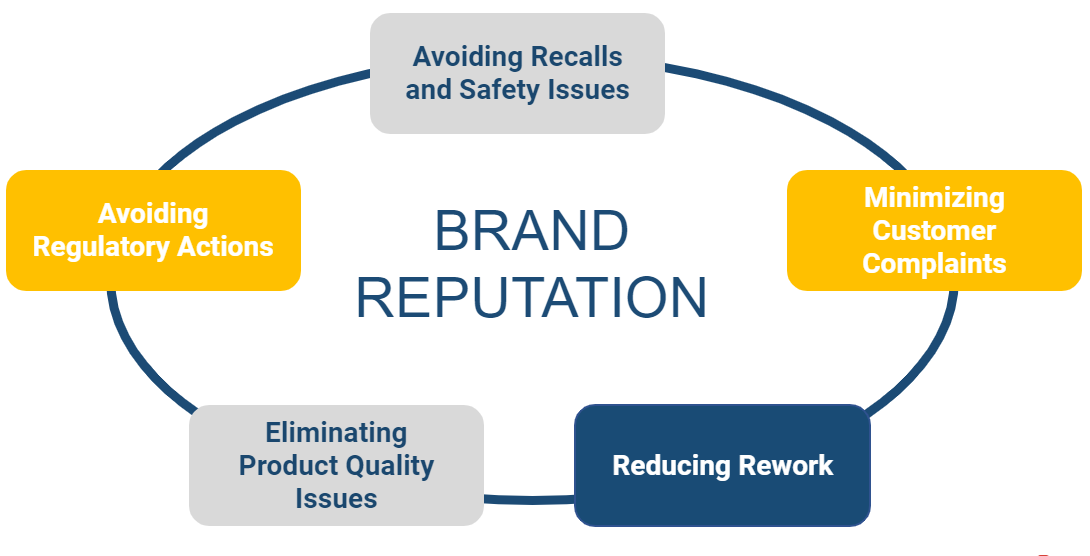
The Connection to Risk Mitigation
Food Safety Culture – 10 Steps to Lead and Empower your Team

Learn the best practices on measuring the Food Safety Culture of your company. Watch this on-demand webinar to learn more how an organization’s food safety culture can be measured several ways, including: Food Safety Audit Reports, Empowerment and Accountability, Performance Measurement, Employee Morale, Reviewing Documentation and Feedback from Senior Management.

Watch Now!

Why now?

At a recent Global Food Safety Initiative (GFSI) conference, it was announced that continuous improvement of food safety culture is now a benchmark requirement for leading certification programs such as BRCGS and SQF, effective from 2020 onward. This milestone aligns global food safety certification schemes and raises the bar for accountability.

By filling out this form and clicking submit you are accepting QCI Global’s privacy policy

Featured Resources

Client Services
Scheme Requirements
Scheme Requirements Scheme requirements outline the essential criteria, regulations, and guidelines that organizations must fulfill to achieve certification or regulatory compliance under a specific standard…
Client Services
Complaints & Appeals
Complaints and Appeals QCI Global establishes a comprehensive process to manage complaints, appeals, and stakeholder feedback. Our well-defined system ensures that every concern is handled…
Audit & Certification
Medical Devices
Medical Devices Medical devices include instruments, equipment, implants, or software designed for the diagnosis, treatment, monitoring, or prevention of medical conditions. In recent years, the…
Standards & Schemes
ISO 20000 IT Service Management
ISO 20000 IT Service Management Achieving ISO/IEC 20000 certification for IT service management enables organizations to stand out in a competitive market, boosting credibility and…
Standards & Schemes
Drinking Water Quality Management Standard (DWQMS)
Drinking Water Quality Management Standard (DWQMS) A structured framework for operating authorities and owners of drinking water systems, the Drinking Water Quality Management Standard (DWQMS)…
Standards & Schemes
ISO 50001 Energy Management Systems
ISO 50001 Energy Management Systems ISO 50001 is an international standard developed to help organizations systematically manage their energy usage, enhance energy performance, and reduce…

Courses & Training

Explore the range of Food Safety Culture courses we have on offer through QCI Global Learning.

Still have questions? We’re here to help.

Request a callback from an expert to find out more about how QCI Global can help you on your way to business growth.

Contact Our Sales